Map the perimeter and the traffic
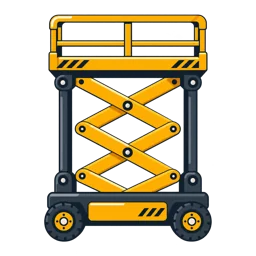
- Where are the equipment gates? Size for the largest planned unit, whether it’s a /rough-terrain-scissor-lift-rental/, /telehandler-rental/, or /boom-lift-rental/.
- Can the line sit below nearby tasks? Facade work and overhead utilities may require setbacks so panels aren’t under suspended operations.
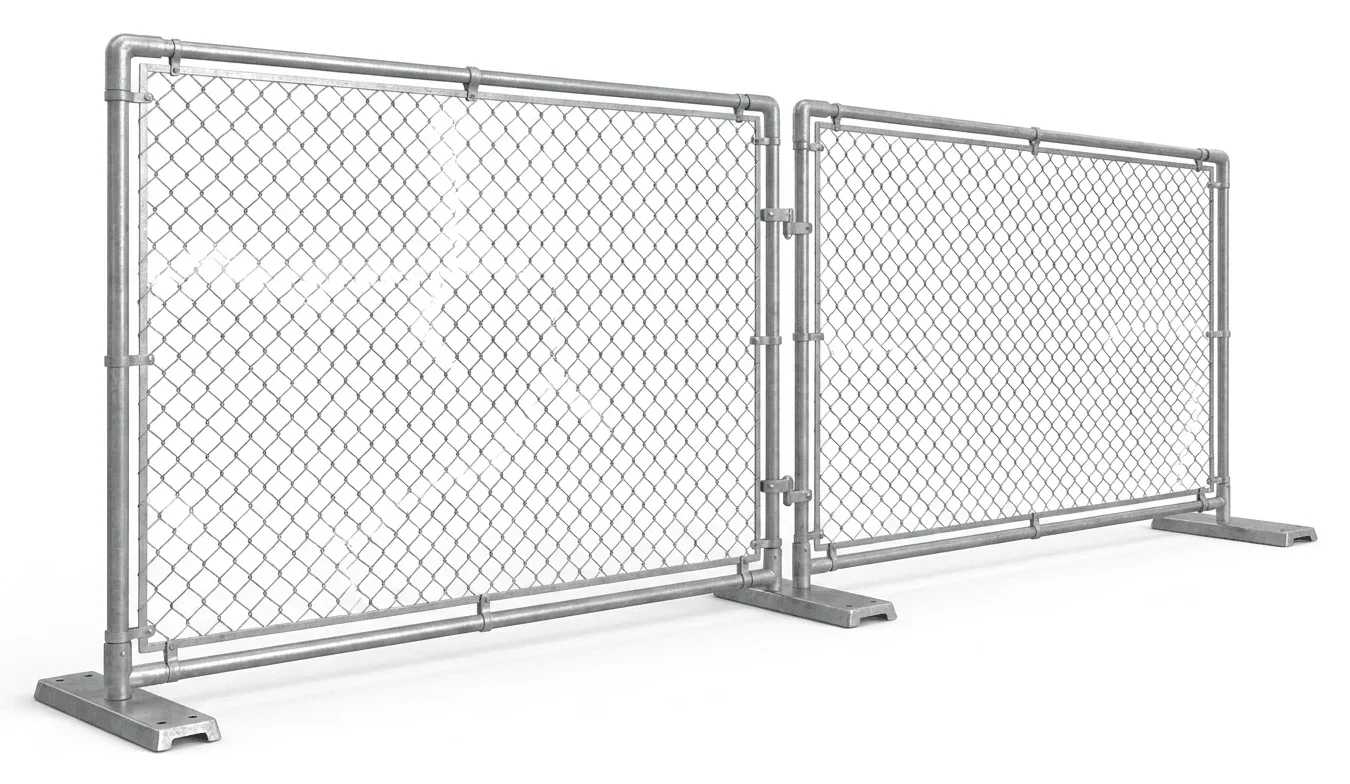
- How do pedestrians and deliveries cross? Use barricade runs to separate aisles from loading and lift routes.
Local ground and weather influence
- On clay-rich soils, feet and blocks can sink after rain, changing panel alignment. Soft pads near storage yards need broader bearing or site-stability factors.
- Wind off the lake can push long, continuous runs. Shorter segments with stable bases reduce leverage; actual weather, unit instructions, and site procedures govern.
- Freeze–thaw cycles create heaving at thresholds and curb edges; expect re-checks of level where gates meet pavement.
Choose panel and barricade types by task
- Interior retrofit zones: lighter panels with floor-safe bases help protect finished slabs in high-bay spaces.
- Exterior security lines: sturdier panels and weighted barricades handle open exposure near rail-adjacent or port-side lots.
- Crowd and vehicle guidance: water-filled or concrete barricades shape lanes at event setups or shift changes at industrial sites.
Gate and crossing details
- Gate width: measure for the widest machine plus swing room. Note if an /electric-scissor-lift-rental/ must pass from staging to work zones inside.
- Ground clearance: uneven aggregate can snag bases; capture the surface type and slope across the gateway.
- Lighting and power: if night work is planned, coordinate with /generators-light-towers-rental/ so access points and warnings remain visible.
Documentation to gather before you call
- Perimeter length and any required setbacks from buildings or utilities
- Surface types along the line, including soft spots and drainage paths
- Largest equipment and material loads that will pass through gates
- Hours of operation and any shift-change crowding that needs barricade lanes
For complementary site products and lift planning, review /products/ or connect via /contact/.