Start with access geometry
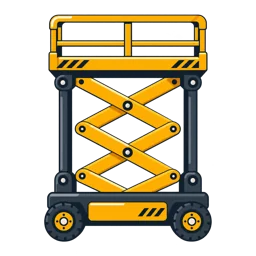
- Direct vertical access: scissor lifts serve lighting, racking, and façade panels when the machine can sit below the task.
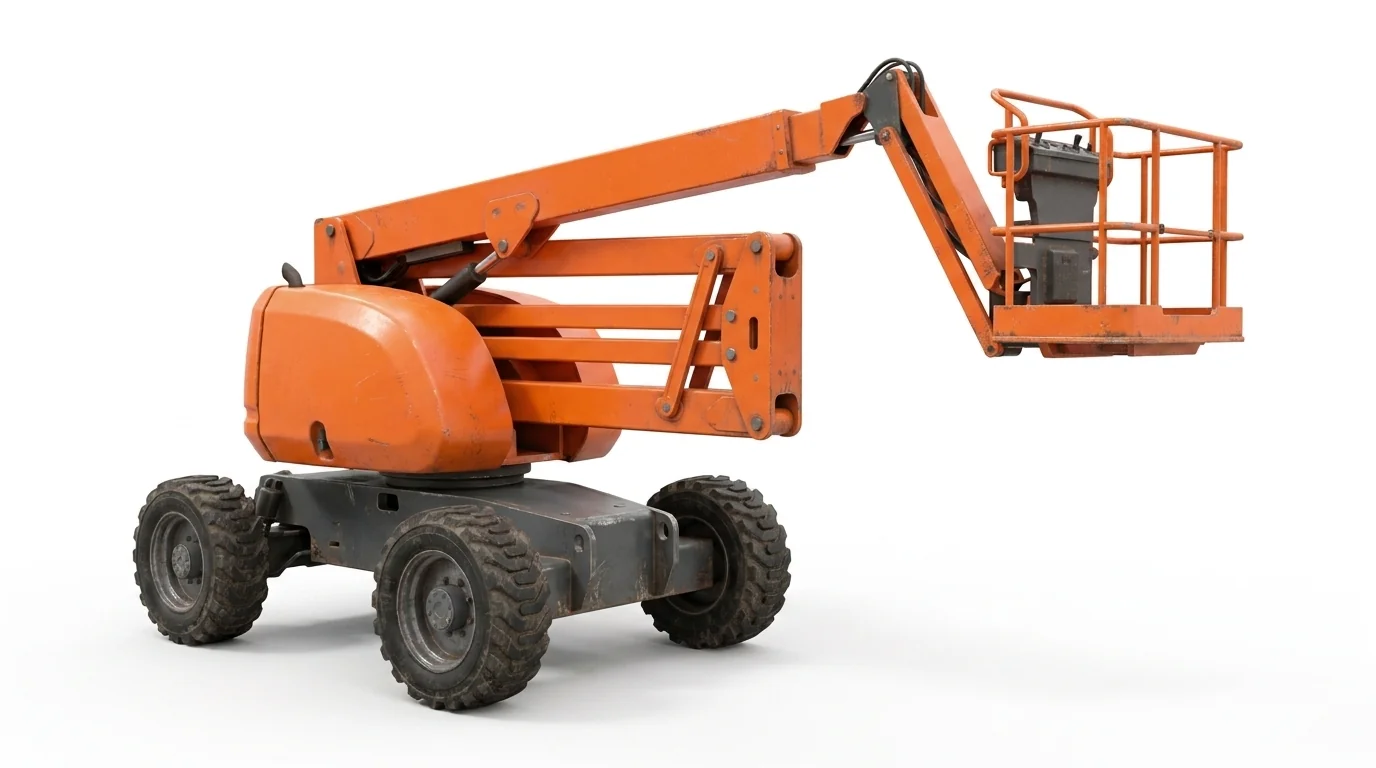
- Up-and-over or around obstacles: articulating booms handle work above canopies, conveyors, and pipe racks.
- Long, straight reach at height: telescopic booms cover distant targets with fewer set-ups.
Milwaukee-specific factors
- Interior slabs vary across reused facilities. Electric scissors at /electric-scissor-lift-rental/ protect floors and fit narrow aisles.
- Outdoor sites near the lake see variable wind and soft ground after precipitation. Rough-terrain scissors at /rough-terrain-scissor-lift-rental/ or booms at /boom-lift-rental/ address traction and stance.
- Logistics properties feature dock transitions and tight yard radii. Machine width and turning clearance can be more limiting than height.
Narrow by measurements and constraints
- Platform height and required horizontal reach.
- Machine width for doors, corridors, and between racking.
- Surface rating: finished slab, pavers, compacted base, or fill.
- Work environment: noise limits, emissions restrictions, and charging access.
Typical Milwaukee use cases
- Interior service: compact electric scissors for lighting and MEP work.
- Exterior envelope and signage: rough-terrain scissors when vertical access is clear.
- Overhangs and recessed façades: articulating booms.
- Long-span yard tasks: telescopic booms.
Coordination and site procedures
Actual conditions, the selected unit’s instructions, and site procedures govern elevated work. Plan staging to avoid trench edges, saturated soils, and congested material lanes.
Related links
- Compare scissor choices: /electric-scissor-lift-rental/ and /rough-terrain-scissor-lift-rental/
- Explore boom types: /boom-lift-rental/
- For tight interior access: /vertical-mast-lift-rental/