Start with load and aisle math
- Load weight, load center, and stack height
- Smallest aisle and doorway on the route
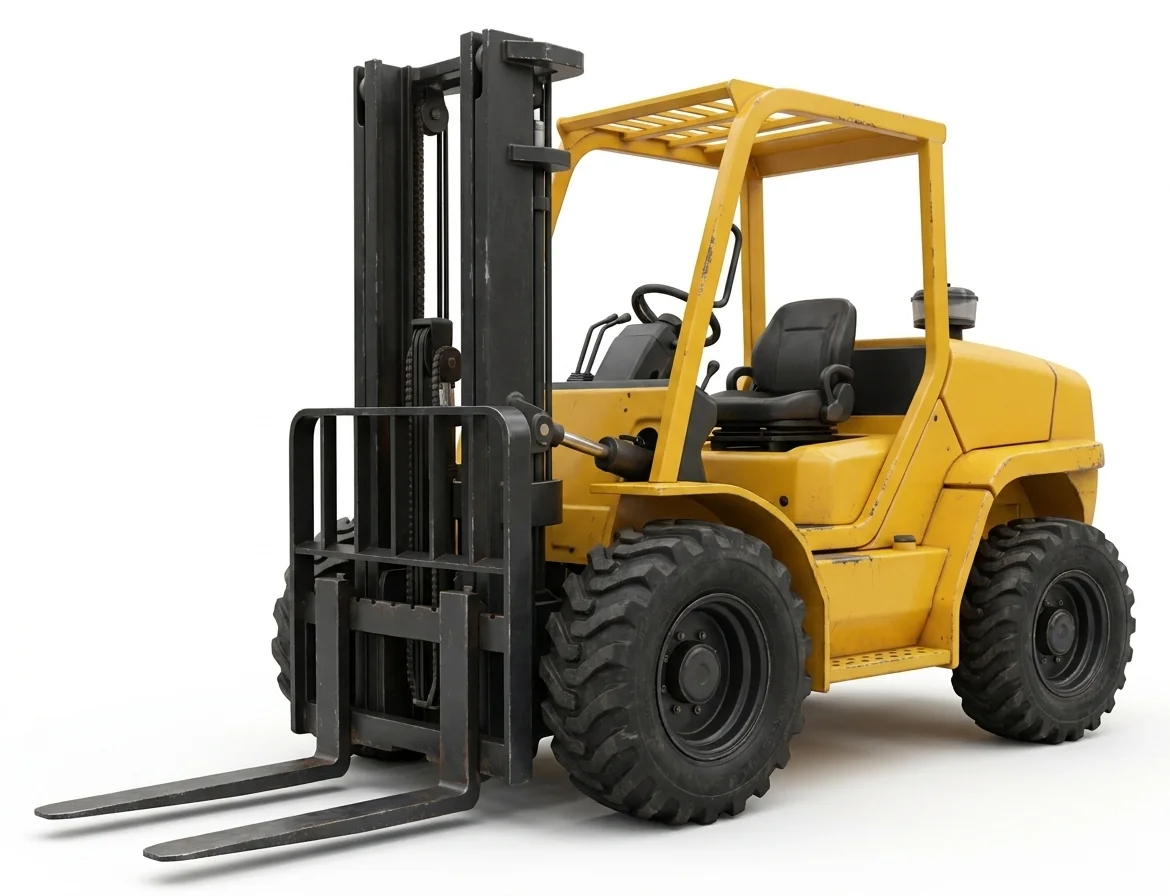
- Turning radius needed at the tightest corner These basics determine truck class and mast height. In older industrial interiors, columns and mezzanine supports often pinch aisles, so compact dimensions matter as much as capacity.
Floors and emissions inside Milwaukee buildings
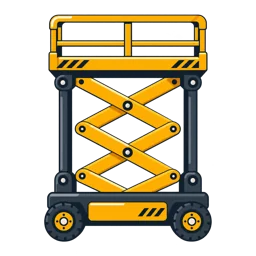
Many reuse projects have patched slabs with variable thickness. Floor condition affects allowable axle loads and tire selection by spec. Where work continues alongside other trades, electric units reduce emissions and noise. For high picks in racking or mezzanine access, compare with /vertical-mast-lift-rental/ or /electric-scissor-lift-rental/ when the task becomes elevated access rather than load movement.
Dock-to-aisle transitions
Local distribution buildings vary in dock height standards and ramp conditions. Confirm grade changes, threshold lips, and any temporary plates between old and new slabs. Short wheelbase trucks help on tight turns but may ride harsher over gaps; route planning reduces avoidable impacts on floors and loads.
When the job moves outside
If loads must cross yards with uneven ground, a warehouse forklift may not be suited. Pair indoor trucks with /telehandler-rental/ for rough yards, or stage transfer points on firm surfaces to keep the smaller unit inside.
For additional equipment comparisons, see /products/ and /aerial-lift-rental/.