Define the placement task first
- Maximum load weight at required height and reach
- Landing zone: rooftop curb, mezzanine edge, or interior opening
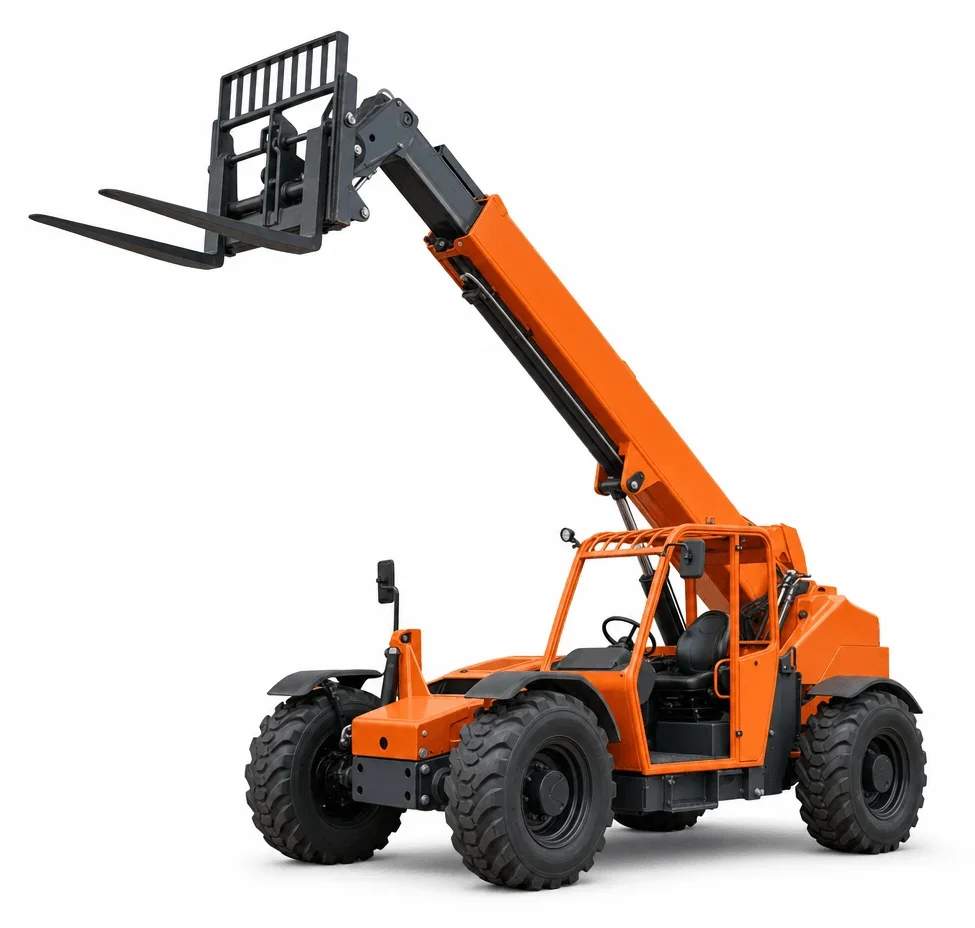
- Approach angle and setback from the structure These factors determine boom class and attachment selection by spec; they also influence whether a smaller unit can stage closer or a larger machine must reach over setbacks.
How Milwaukee sites influence selection
Clay-heavy soils can soften with seasonal moisture, affecting tire support and rutting near laydown areas. Older pavements and patched slabs around adaptive reuse buildings may limit axle loading. Yards near the lake can be windy and wet, which changes how materials are sequenced to higher levels. Actual site conditions, the selected unit’s instructions, and site procedures govern elevated handling.
Size and maneuverability tradeoffs
- Compact units fit alley-style access and tight gates common to older industrial parcels.
- Mid-range machines handle roof-load placements where stand-off distance is moderate.
- High-capacity classes serve structural packages but demand wider, stronger travel paths.
Staging and logistics
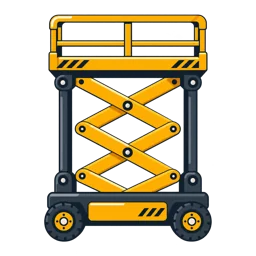
Plan the travel route from delivery point to laydown and then to the placement zone. Check turning radii, grade breaks between old and new slabs, and any temporary surfaces. Where interior lifts are also needed for installation, coordinate with /forklift-rental/ inside and /rough-terrain-scissor-lift-rental/ or /articulating-boom-lift-rental/ for elevated access.
For broader lift comparisons, see /aerial-lift-rental/ and /products/.