Start with required horizontal reach
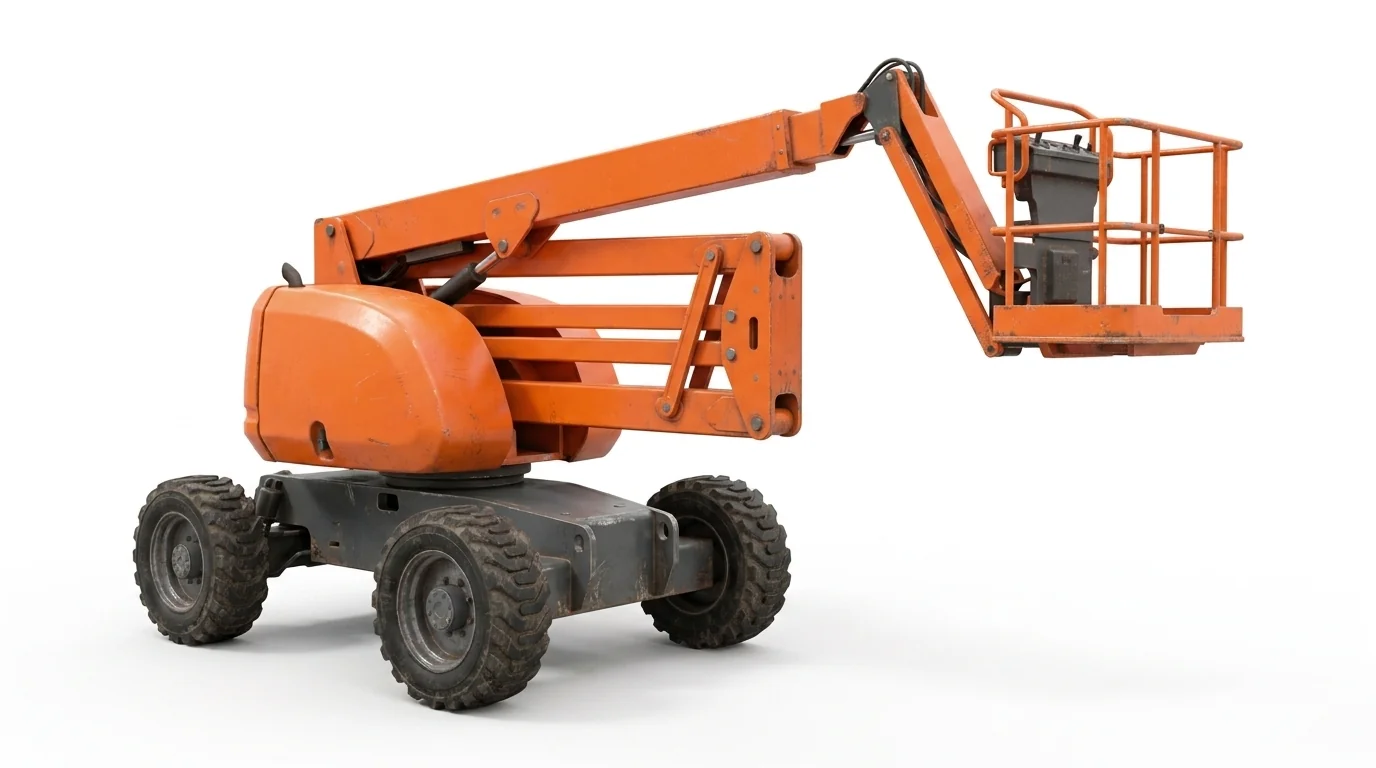
If the machine must sit back from a facade, dock line, or equipment yard and still place the platform at height, measure the horizontal distance to the task first. Telescopic booms excel where lines are clean and obstacles are minimal.
- Define stand-off distance from curbs, trenches, or sensitive slabs
- Confirm target height and needed outreach at that elevation
- Check for swing clearance behind the machine during rotation
Local site influences
Milwaukee’s heavy industrial sites and waterfront yards can have wind-exposed work zones and variable ground firmness over clay-rich soils. Long booms amplify wind effects; elevated operations must follow the selected unit’s instructions, site procedures, and actual conditions. Yards with saturated spots may require rough-terrain capability and careful planning of travel paths.
When a straight boom beats a knuckle
- Pole lighting, signage, and long, clear facade runs
- Roof-edge maintenance where the base must sit well back from the wall
- Tall equipment service in open process areas If obstructions block the direct line, consider /articulating-boom-lift-rental/ instead.
Interior vs. exterior
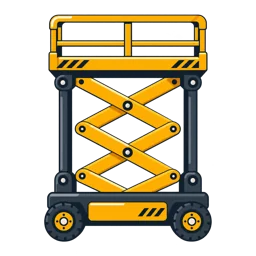
Telescopic booms are typically chosen for outdoor reach. For interior high-bay tasks with clear aisles, smaller booms may fit, but many Milwaukee renovations favor /electric-scissor-lift-rental/ or /vertical-mast-lift-rental/ for straight-up work due to floor loading, aisle width, and ventilation needs.
Sizing checkpoints
- Platform capacity required by the task
- Outreach envelope relative to site setbacks
- Transport width and axle weight for access routes and older pavements
Compare related options at /boom-lift-rental/ and /aerial-lift-rental/ when scoping multiple work zones.