When the job geometry favors a knuckle
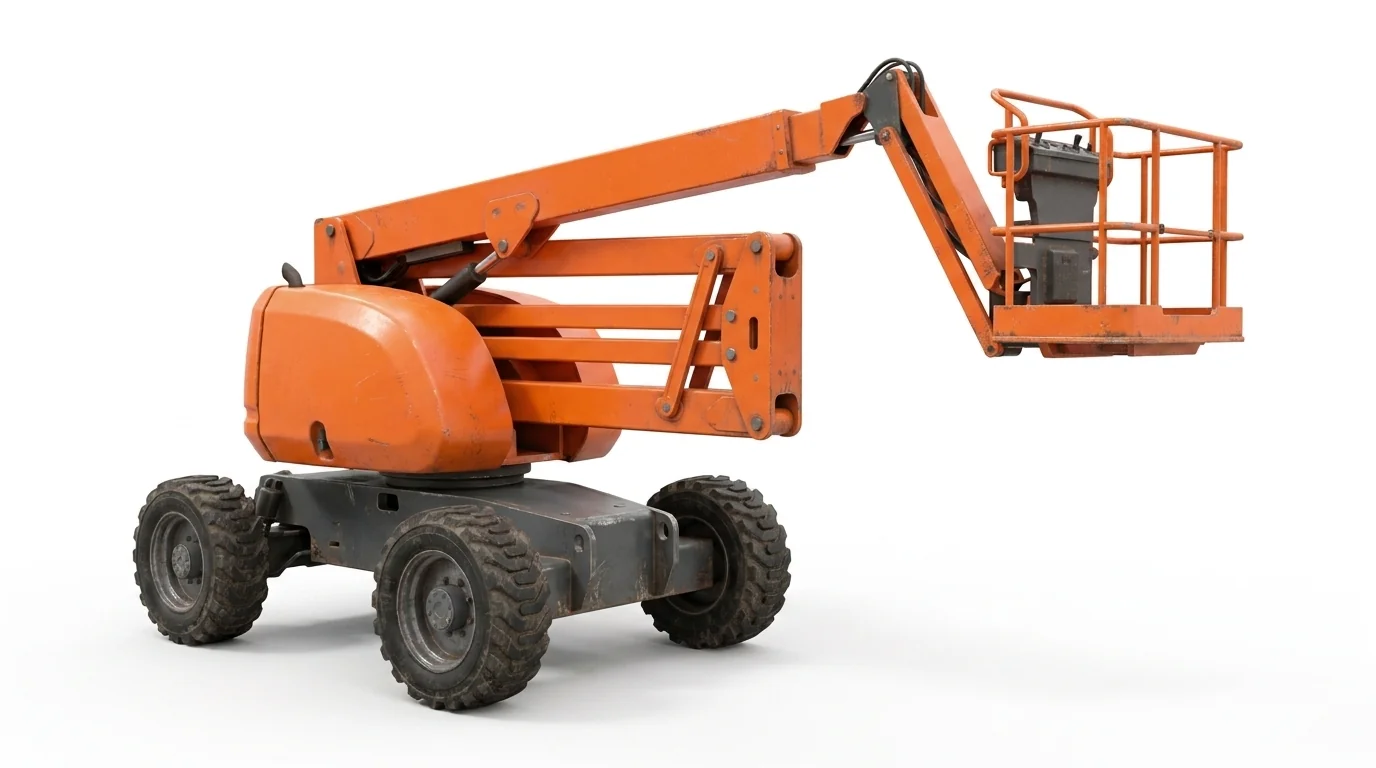
Start with the question: can the machine sit below the task and reach over obstructions? In Milwaukee’s industrial adaptive reuse projects, interior steel, historic columns, and fresh mechanical runs often block straight lines to the work. An articulating boom creates an offset path, letting the platform clear beams or parapets and then position precisely.
Key geometry checkpoints: - Horizontal reach to bypass the obstacle before rising - Up-and-over height to clear trusses or parapets - Platform size for tools and materials once you’re in the pocket
How local conditions change boom selection
Exterior work around older masonry and new panelized skins often happens on mixed ground—compacted stone near new utilities and softer spots over clay-rich soils. Seasonal moisture can leave ruts or standing water. For that reason, rough-terrain capability may be needed outdoors, while slab-safe tires and electric power are often better for interior finish phases in high-bay renovations.
Consider: - Ground support: clay-heavy sites can pump under repeated passes; plan for rated ground conditions beneath outriggers or tires. - Weather windows: lake-effect precipitation and gusty periods can shut down elevated work; actual conditions, the selected unit’s instructions, and site procedures govern. - Emissions and noise: interior scopes in active facilities generally call for electric units with non-marking tires.
Narrowing the size class
Milwaukee’s high-bay reuse often places tasks 20–40 feet up with cluttered approaches. Smaller electric articulating units fit through tighter doorways and aisles, while mid-size rough-terrain machines handle facade punch lists and signage outside.
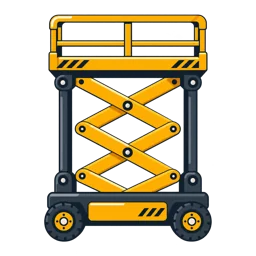
- Interior renovation: look to compact electric booms where floor loading and turning radius matter. Compare against /vertical-mast-lift-rental/ or /electric-scissor-lift-rental/ if the work is straight up with minimal outreach.
- Exterior facade and utility tie-ins: rough-terrain articulating booms compete with /telescopic-boom-lift-rental/ when horizontal reach is long, but obstructions favor the knuckle.
Access patterns around Milwaukee sites
At older industrial sites, access routes can be narrow, with grade changes between old slab elevations and new additions. Measure gate widths, slab transitions, and interior door clearances before sizing the machine. Where staging is limited, the ability to set below and reach over saves ground moves.
For broader aerial categories and comparisons, see /boom-lift-rental/ and /aerial-lift-rental/.