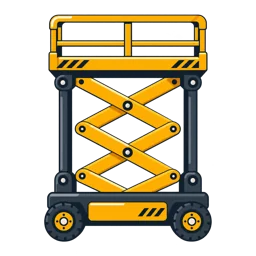
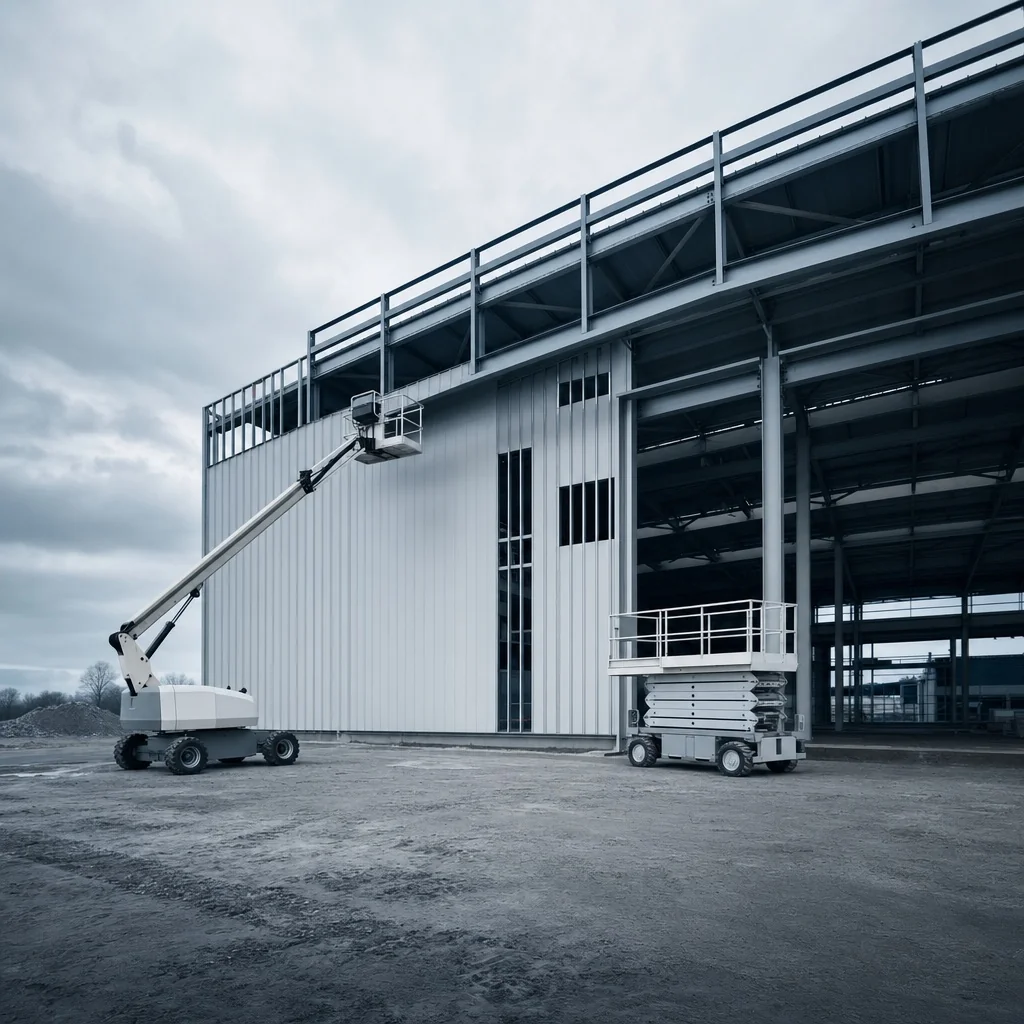
Scissor lifts: slab versus site
- Interior work on smooth concrete: /electric-scissor-lift-rental/ fits high-bay aisles and finished floors common in adaptive reuse spaces.
- Exterior or uneven grades: /rough-terrain-scissor-lift-rental/ manages ruts, soft spots, and seasonal moisture found on reclaimed industrial pads.
Boom lifts: outreach and clearance
- Obstructions and set-backs: /articulating-boom-lift-rental/ threads around piping, conveyors, and recessed bays on older facades.
- Long, straight outreach: /telescopic-boom-lift-rental/ reaches parapets or siding panels across setbacks and laydown.
- General comparison hub: /boom-lift-rental/ for applications where height and horizontal reach both matter.
Vertical access and tight interiors
- For point tasks where a small footprint is critical, /vertical-mast-lift-rental/ navigates narrow aisles and mezzanine zones.
Material handling around the work
- Pallet moves and staging within finished interiors: /forklift-rental/ suits dock-to-aisle flow in distribution-style spaces.
- Exterior laydown and rough pads: /telehandler-rental/ places pallets or panels across soft ground and variable grades.
Site products that keep work moving
- Power and illumination: /generators-light-towers-rental/ supports night work and interior retrofits where permanent service isn’t ready.
- Secure staging: /storage-containers-rental/ holds materials near high-bay tasks without crowding lift approaches.
- Separation and flow: /temporary-fencing-barricades-rental/ shapes safe aisles and gates around mixed equipment routes.
Local factors that change the decision
- Surface stability: clay-heavy subgrades and freeze–thaw cycles challenge exterior staging. Rough-terrain ratings and wider bearing help on soft lots.
- Weather exposure: wind and precipitation from the lake affect outdoor operation for elevated work. Actual conditions, unit instructions, and site procedures govern.
- Access geometry: older buildings often have narrow dock aprons, low utilities, and tight turns from street to slab—measure these before locking in a category.
What to document before you call
- Task height, outreach, and whether the machine can sit below the work
- Surface type along the entire route and at the work zone
- Heaviest load to lift or handle and any aisle or gate constraints
- Schedule realities like night shifts or occupied interiors
For questions about fit between categories or to coordinate multiple site products, visit /about/ or reach out at /contact/.